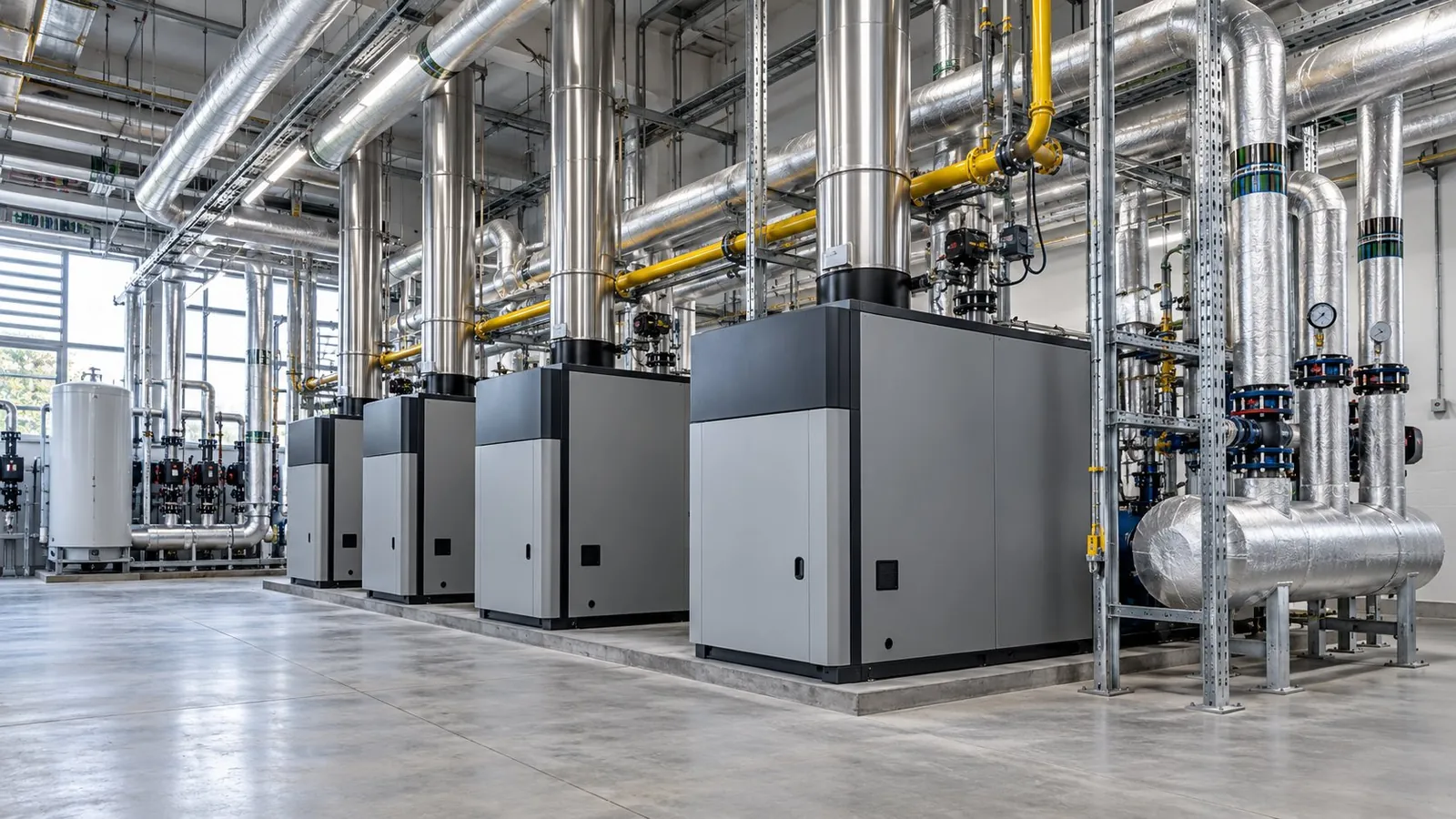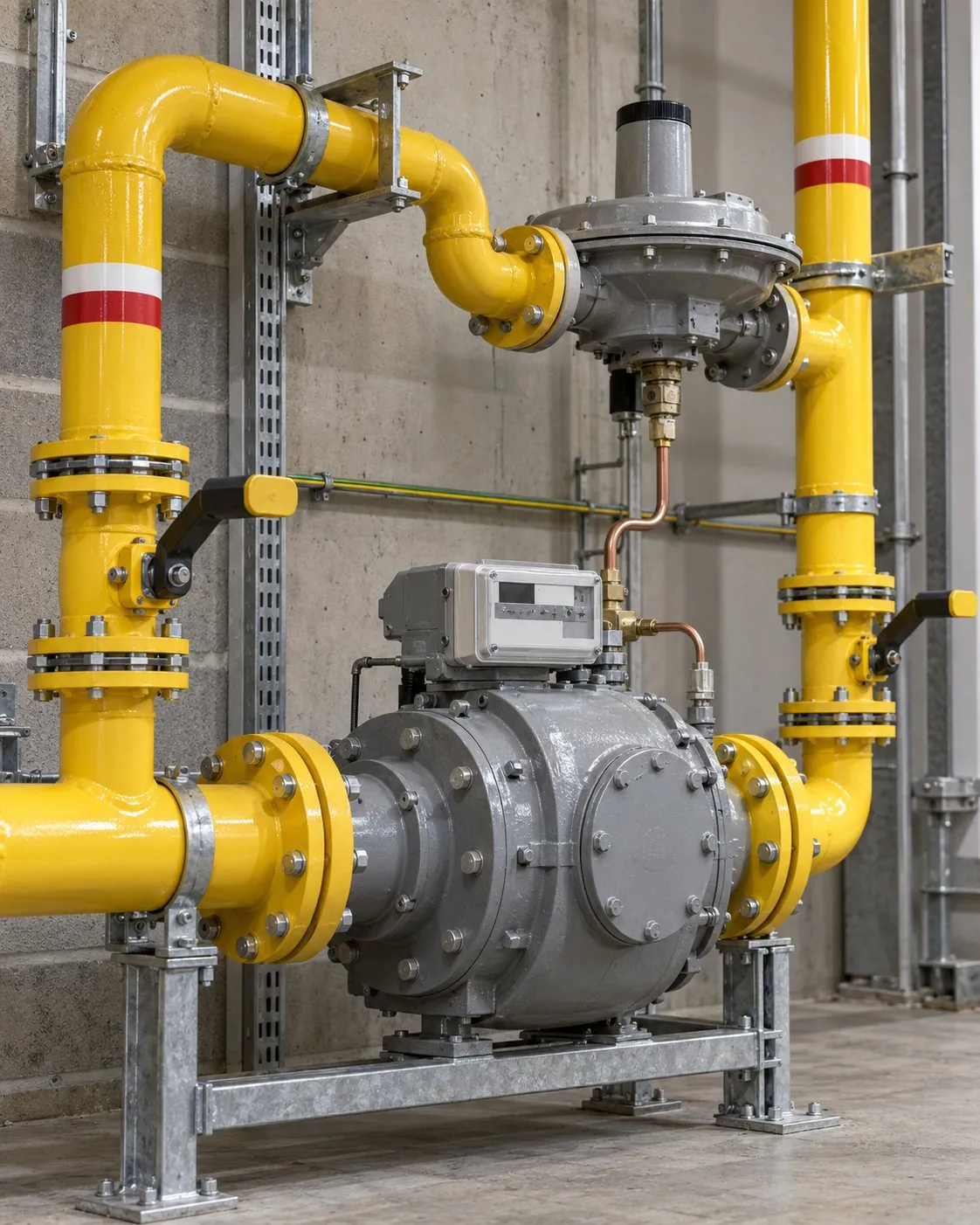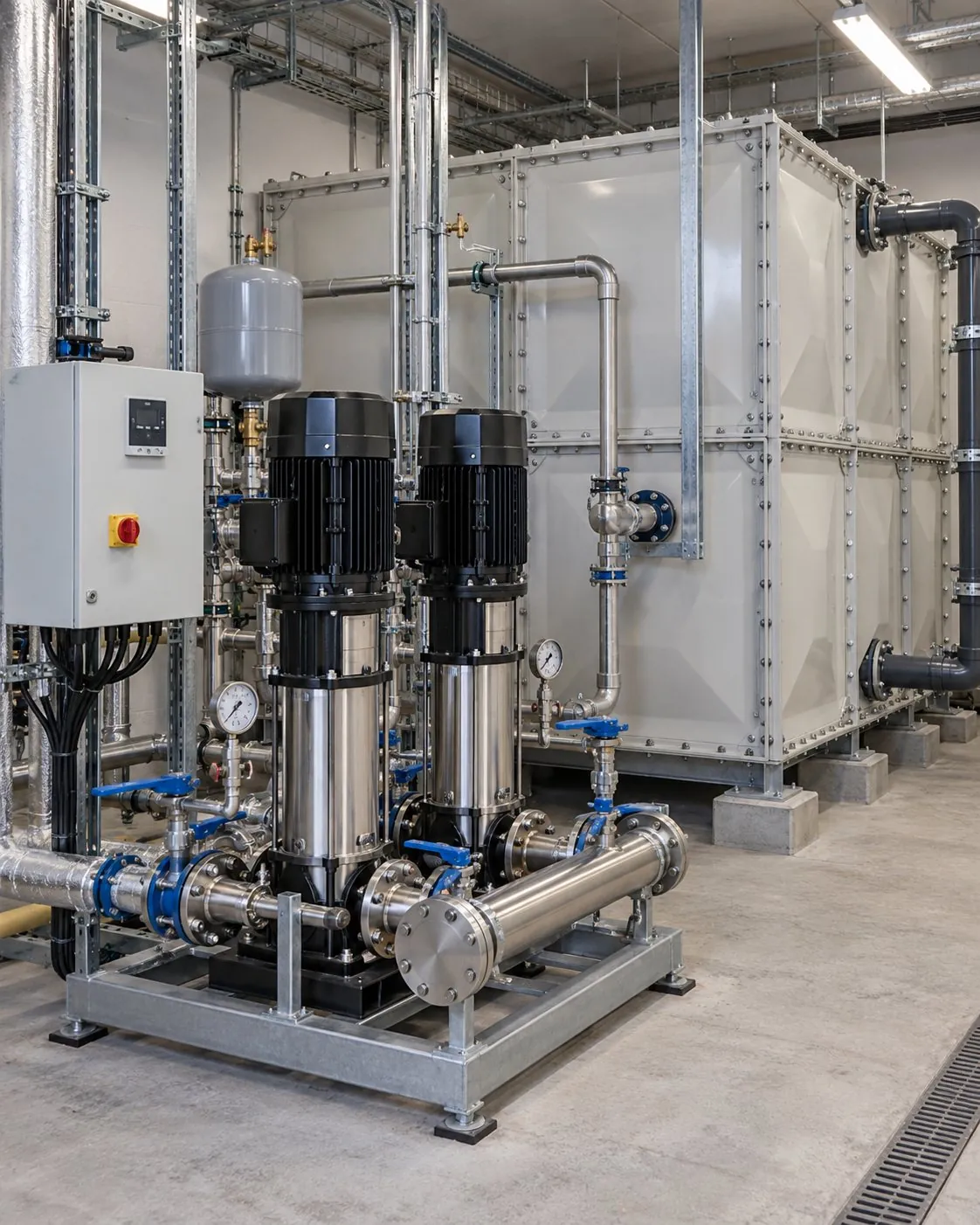
Dirty system water is one of the most common reasons commercial heating and chilled water plant fails early. Debris, corrosion products and bacteria block strainers, coat heat exchangers, seize valves and wear out pumps. Proper flushing and treatment prevents most of it.
What is BSRIA BG 29?
BSRIA BG 29 is the industry guide to pre-commission cleaning of pipework systems. It sets out how new and modified closed systems should be flushed, cleaned, treated and tested before they're handed over, and it's commonly written into specifications for commercial projects.
Why new systems need cleaning
A brand-new system isn't clean. During installation it collects swarf, jointing compound, flux, dirt and mill scale, and the pipework begins to corrode as soon as it's filled. Without cleaning, that debris ends up in the most expensive parts of the system: boilers, plate heat exchangers, control valves and fan coil units.
Many manufacturers make a clean, treated system a condition of their warranty.
What the process involves
- Static flushing to remove loose debris
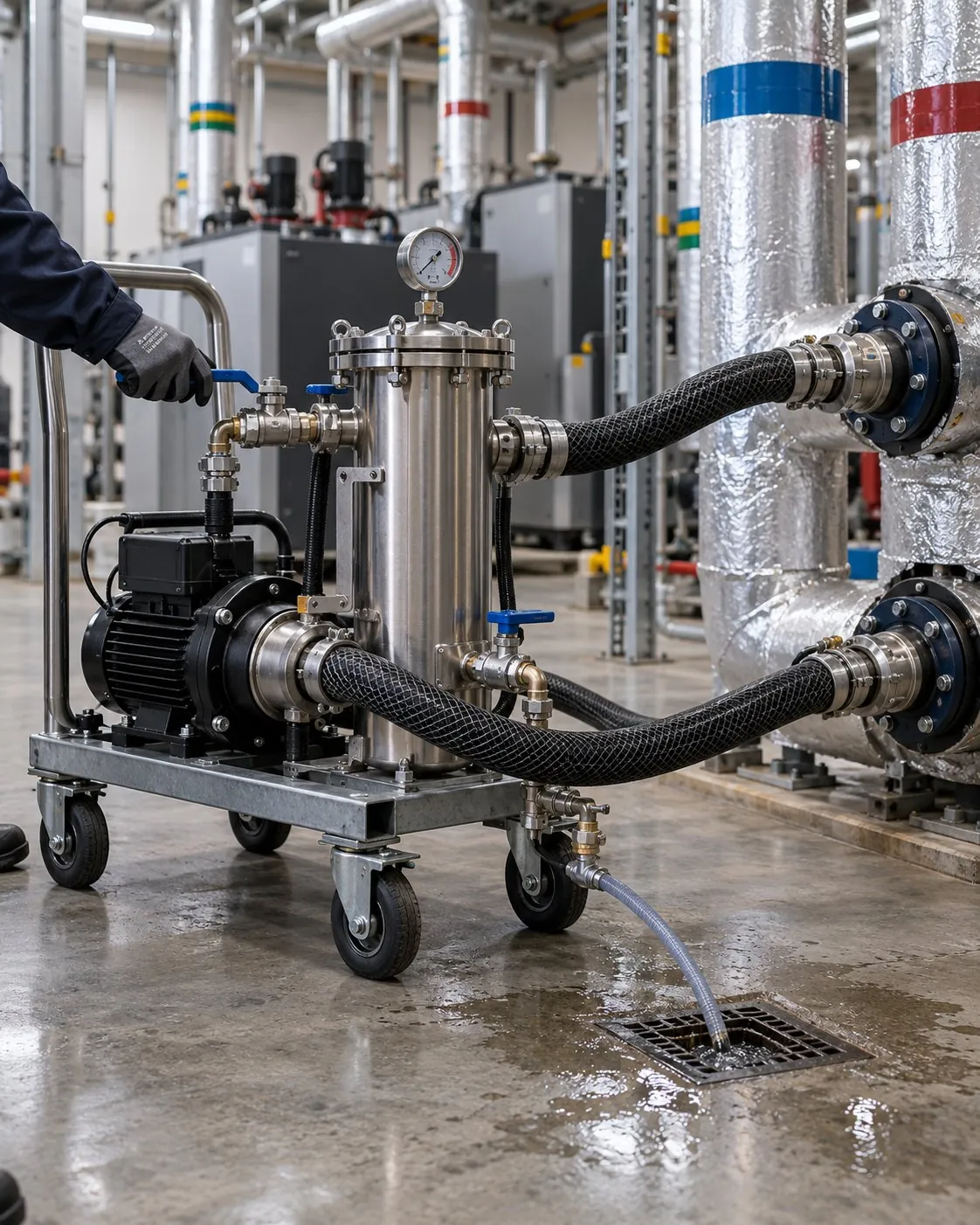
- Dynamic flushing at velocities high enough to move debris out of the pipework
- Chemical cleaning where required, then flushing out
- Side-stream filtration to keep collecting fine particles
- Dosing with corrosion inhibitor and biocide
- Water sampling and laboratory analysis
- Records and certificates for the O&M manual
Plant such as boilers and heat exchangers is usually bypassed or isolated during flushing so debris is not pushed into it.
What about existing systems?
Older systems often contain sludge and magnetite built up over years. Cleaning is worth considering when you're replacing boilers or heat exchangers, adding new plant, or seeing frequent blockages, cold spots or failed pumps. Fitting new plant to a dirty system is a common cause of early failure.
Keeping the system clean afterwards
Once a system is clean it needs to stay that way. That means maintaining the right inhibitor levels, keeping pressurisation working so air isn't drawn in, and periodic water sampling to catch problems early. Side-stream filters and dirt separators help remove fine particles continuously.
How CommGas can help
We flush, clean, dose and sample heating and chilled water systems for new installations and existing buildings, and we also disinfect domestic water systems. Every job comes with records.