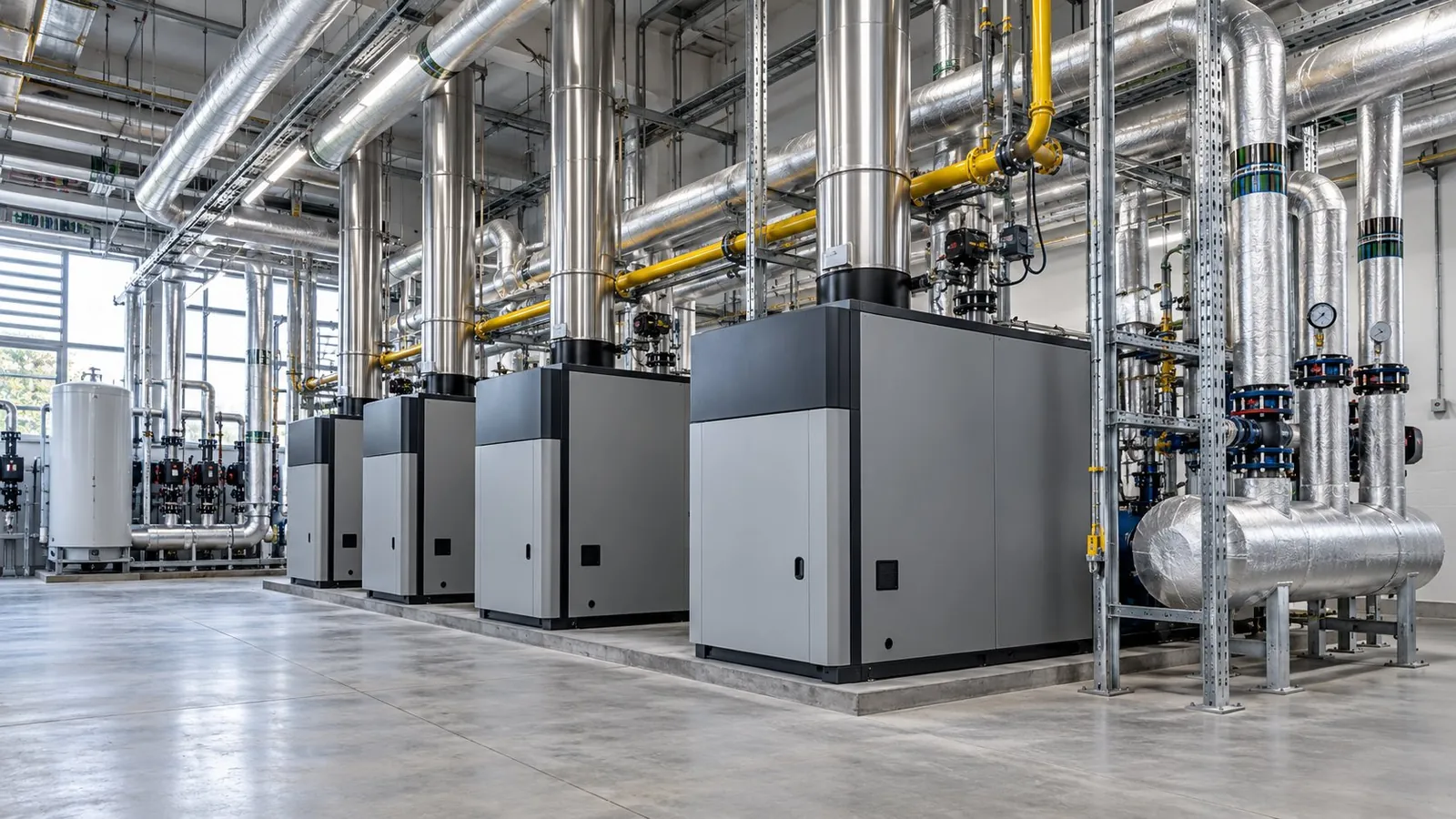
If you're responsible for a commercial building, its boilers are one of the few pieces of plant that can stop the whole building working when they fail. Regular servicing keeps them safe, efficient and reliable, and it's also part of your legal duty of care. Here's what you need to know.
What the law says
The Gas Safety (Installation and Use) Regulations 1998 require gas appliances, fittings and flues in a workplace to be maintained in a safe condition. The Health and Safety at Work Act and the Workplace Regulations add a wider duty to keep plant and equipment safe and in good working order.
The regulations don't set a fixed interval for commercial premises, but the expectation is clear: you need a planned, documented maintenance regime carried out by competent, Gas Safe registered engineers who are qualified for commercial appliances.
How often should commercial boilers be serviced?
For most commercial boiler plant, at least once a year is the accepted minimum, and it's what almost every manufacturer asks for to keep the warranty valid. Larger or heavily used plant, such as hospitals, care homes, leisure centres and multi-boiler installations, often benefits from six-monthly visits, with one main service and one inspection before the heating season.
The best time for the main service is late summer or early autumn, so any faults are found and fixed before the heating is needed.
What a proper service should include
- Combustion analysis and adjustment to the manufacturer's settings
- Burner, heat exchanger and condensate checks and cleaning
- Testing of flame safeguards, controls and safety devices
- Flue and ventilation checks
- Gas tightness testing and gas pressure checks
- Checks on pumps, pressurisation and expansion vessels
- Visual inspection of plant room pipework and valves
- A written record of results and any defects found
Paperwork you should get
After each visit you should receive a service record for each appliance and a commercial gas safety record covering the installation. If anything is unsafe, the engineer must tell you and record it, and may need to make the appliance safe there and then.
Keep these records together. Insurers, auditors and enforcing authorities can ask to see them, and they make it much easier to plan replacements before something fails.
Signs your plant needs attention now
- Boilers locking out or needing frequent resets
- Rooms not reaching temperature
- Pressure dropping or the system needing regular top-ups
- Noisy pumps or boilers (kettling)
- Water marks, leaks or corrosion in the plant room
- Rising gas bills with no change in use
How CommGas can help
We service commercial boilers and plant across London and the South East for building owners, facilities teams and schools, with a clear report after every visit. We can set up a planned maintenance schedule for your sites, and existing maintenance clients have out-of-hours cover.